eye specialist

Call us at

6266 2088

Retinal Detachment, Surgery and Treatment

retina detachment image 01

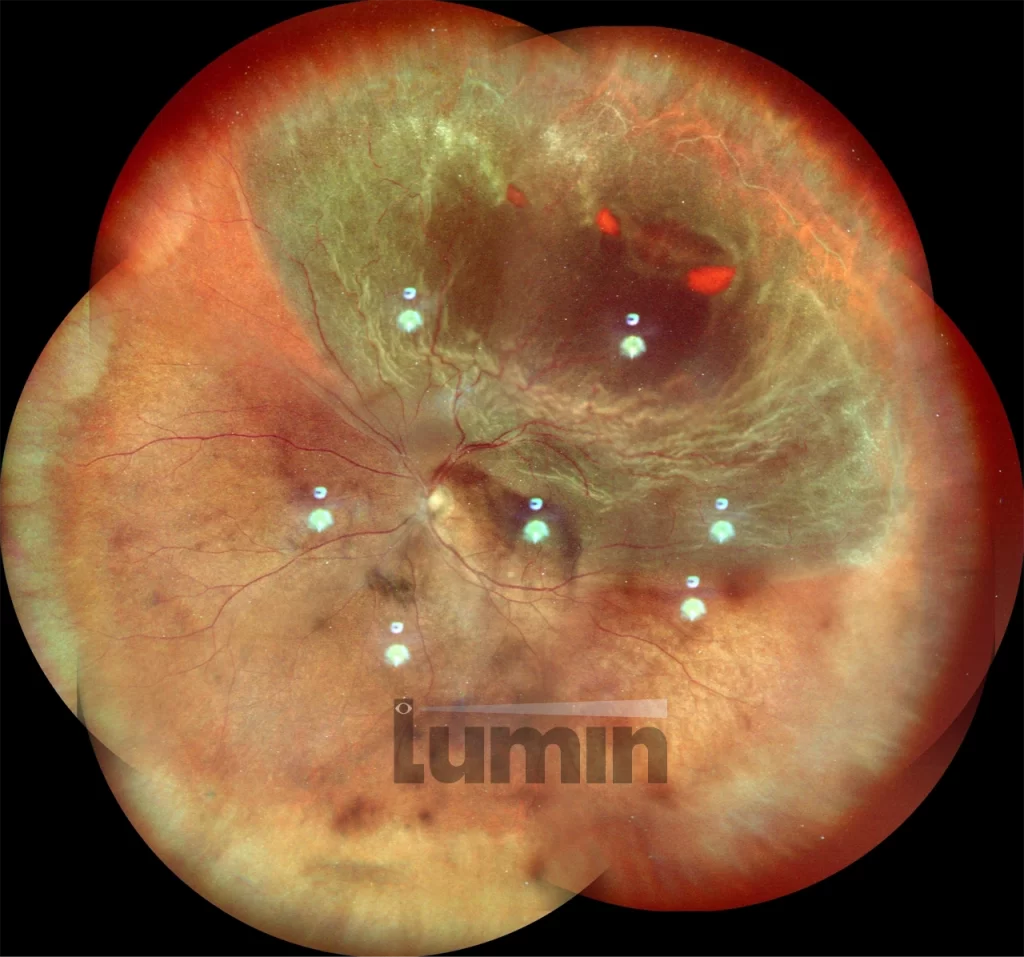
Retinal detachment is a serious eye condition that occurs when the retina separates from the wall of the eye

The retina is a light sensitive structure at the back of the eye that receives the images we see. Retinal detachment is an emergency. Delay or failure to treat a retinal detachment will lead to permanent loss of vision.

Retinal detachments often follow a retinal tear. The retinal tear acts as an opening allowing fluid to go behind the retina, causing the retina to separate from the wall of the eye.

Retinal detachment can occur due to several factors, including age-related changes, trauma, near-sightedness, previous eye surgery or other underlying eye conditions.

Common symptoms of retinal detachment include the sudden onset of floaters (tiny specks or cobweb-like shapes in your vision), flashes of light, and a “curtain” like shadow blocking part of the vision or general blurring of vision.

If you experience any of these symptoms, seek immediate medical attention from an ophthalmologist or retina specialist in Singapore. Prompt diagnosis and treatment are vital to prevent permanent vision loss.

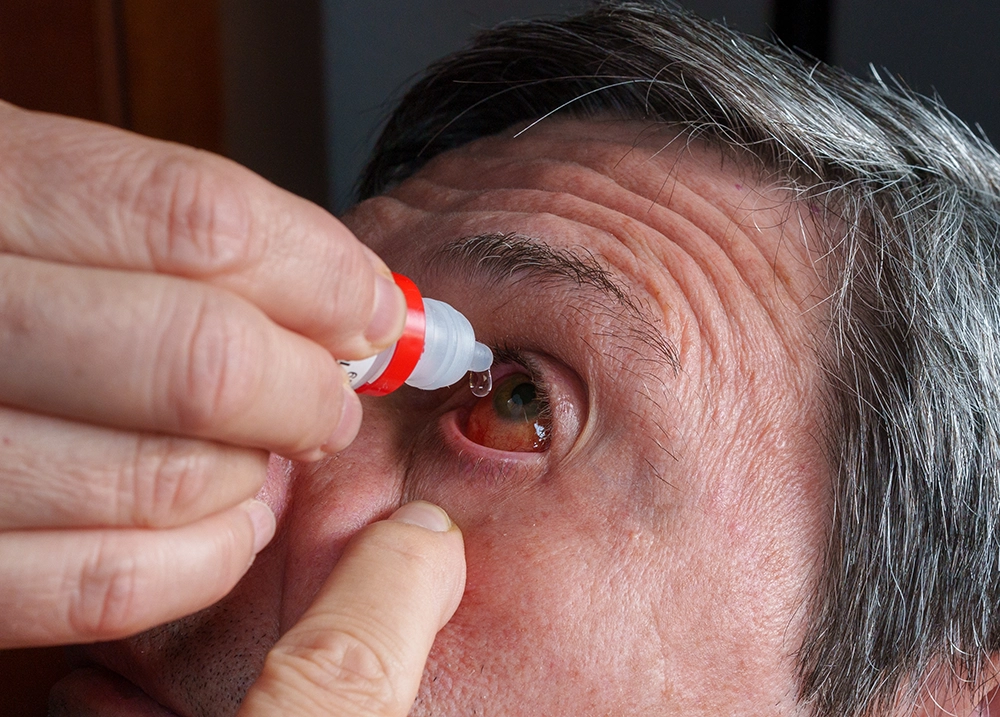
During the examination, your eye care professional will dilate your pupils for a better view of the retina. They may use specialised imaging techniques, such as optical coherence tomography (OCT) or ultrasound to evaluate the retinal detachment.

AdobeStock 334435376

Retinal Detachment Treatment - Effective Solutions to Preserve Your Vision

Treatment for retinal detachment usually involves surgery. The type of procedure would depend on the characteristics and severity of the detachment. There are three main surgical techniques used:

Vitrectomy

The vitreous gel is removed using small instruments followed by flattening of the retina and laser therapy to seal the retina breaks. This is often combined with the introduction of a gas or silicone oil to hold the retina in place for a few weeks to months to improve the success of the surgery. Posturing may be required for a few weeks after the surgery.

Scleral Buckle

This involves the placement of a supportive device (scleral buckle) to the external wall of the eye to encourage the reattachment of the retina. Laser and/or cryotherapy treatment is applied to the retinal tear to seal the break.

Pneumatic Retinopexy

This procedure involves inserting a gas bubble into the eye to push the detached retina against the back wall of the eye. Laser or cryotherapy is then used to seal the retinal tear or hole. Dedicated posturing after the procedure is required to achieve success.

Retinal Detachment Treatment - Effective Solutions to Preserve Your Vision

Treatment for retinal detachment usually involves surgery. The type of procedure would depend on the characteristics and severity of the detachment. There are three main surgical techniques used:

Laser Photocoagulation and Cryotherapy

Laser photocoagulation or cryotherapy is often used to seal a retinal break or tear and prevent fluid from accumulating beneath the retina. In cases where the detachment is small and located away from the macula—the central area responsible for sharp vision—laser treatment can be used to isolate the affected area and stop the detachment from progressing.

Vitrectomy

Vitrectomy involves removing the vitreous gel—the clear, jelly-like substance inside the eye—to eliminate any pulling forces on the retina. This procedure is chosen based on the location and nature of the retinal tear or if there are tractional membranes present. During the surgery, small incisions are made in the sclera, fluid under the retina is drained, and laser treatment is applied to seal the break. At the end of the procedure, a gas bubble or silicone oil may be introduced into the eye to keep the retina in place. If silicone oil is used, a second surgery is needed to remove it. If gas is used, it will naturally absorb over a few weeks. Post-operative positioning may also be necessary to improve the success rate.

Scleral Buckling

This procedure involves placing a flexible band, usually made of silicone, around the outside of the eye to gently press the eyeball’s wall inward. This supports the area of the retinal break and helps relieve tension caused by the vitreous gel. Cryotherapy is often applied during the surgery to seal the tear. Sometimes, air or gas is injected into the eye to hold the retina in place. After surgery, patients may be advised to maintain a specific head position for several days to support healing.

Pneumatic Retinopexy

This technique involves injecting a gas bubble into the eye to press the retina back into place. Laser or cryotherapy is then used to seal the break. Pneumatic retinopexy is suitable for specific types of retinal detachments, typically those caused by tears in the upper (superior) part of the retina. Success relies heavily on strict head positioning after the procedure.

Retinal Surgery Cost in Singapore – What to Expect

Understanding the cost of retinal surgery in Singapore is an important part of planning your care. The overall expense depends on:
During your consultation, we will give a detailed breakdown of the costs so you have a clear understanding of what to expect before proceeding with retinal surgery.
AdobeStock 447304237
AdobeStock 1064989593

Retinal Conditions Specialist in Singapore – Expert Eye Care

Expertise matters when managing complex retinal conditions. At Lumin Eye Specialists, our retina specialist offers years of experience and a deep understanding of retinal diseases. Our comprehensive approach covers everything from routine screenings to surgical interventions for retinal detachments and other related disorders.

Dr Clarissa Cheng is trained in medical and surgical retinal care, detecting early retinal tears and managing complex detachments. We use diagnostic and surgical equipment, ensuring precise evaluations and tailored Treatments.

If you have a retinal condition, book an appointment with our specialist.

Frequently Asked Questions

AdobeStock 234619856

The retina, commonly described as the film of the eye, is the light-sensitive layer responsible for capturing images and transmitting them to the brain through the optic nerve. Retinal detachment occurs when the retina becomes lifted or separated from its normal position. This separation disrupts its function and begins to compromise the health of the retinal tissue. If not treated promptly, retinal detachment can result in permanent vision loss.